Every September, homeowners begin asking the same question:
“Should we sell this fall or wait for the spring market?”
Spring has the better reputation. The lawns are green, the days are longer and more buyers tend to begin their search.
But more buyers can also mean more competing listings. Waiting means carrying your home through another winter, and if you are selling and buying in the same market, future price changes could affect both sides of your move.
The better question is not simply whether fall or spring is the “best” season.
It is:
When will your home and your next move be best positioned for success?
Here is what York Region homeowners should consider before putting their plans away until April.
Buyers Have Options—But Homes Are Still Selling
In August 2026, 965 homes sold across York Region, while 5,295 properties remained actively listed at the end of the month.
That does not mean homes are not selling. It means buyers have choices, and sellers must work harder to earn their attention.
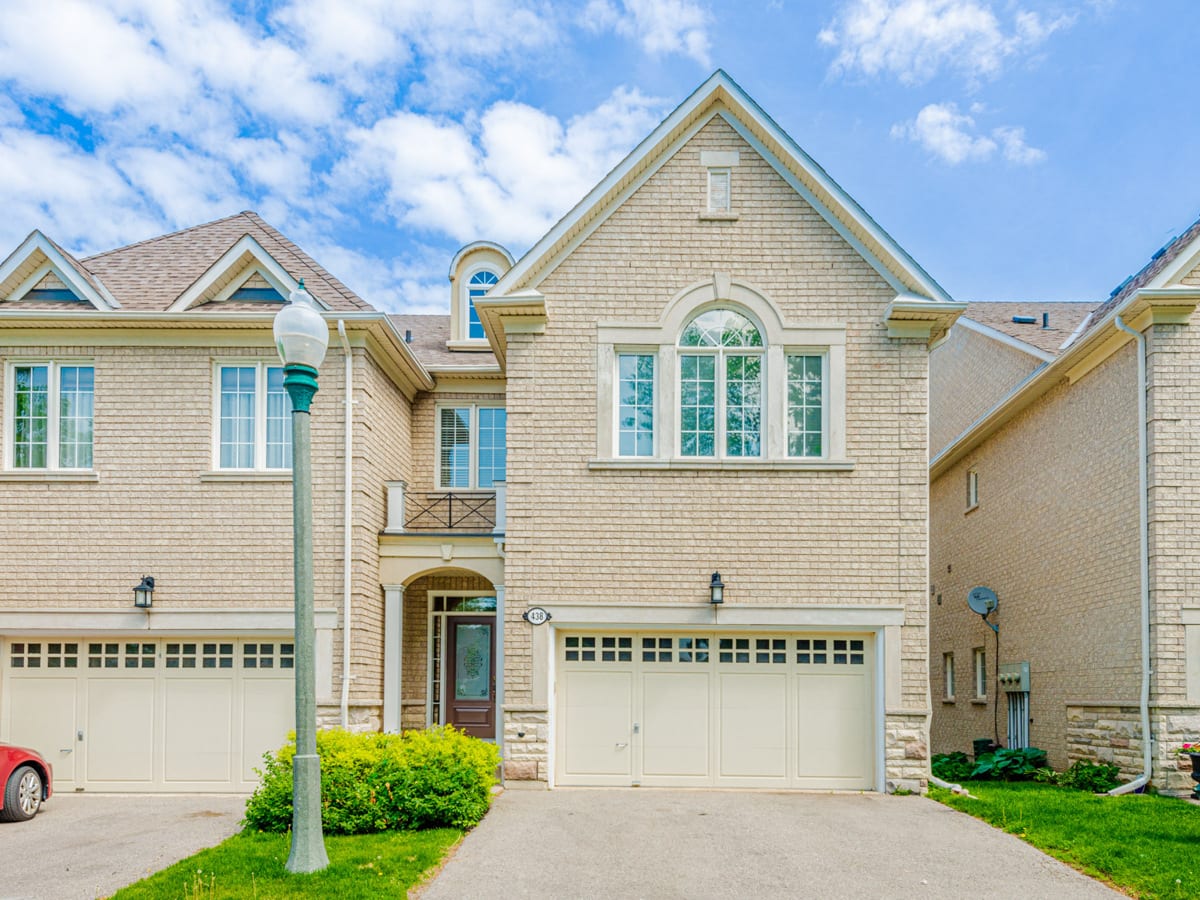
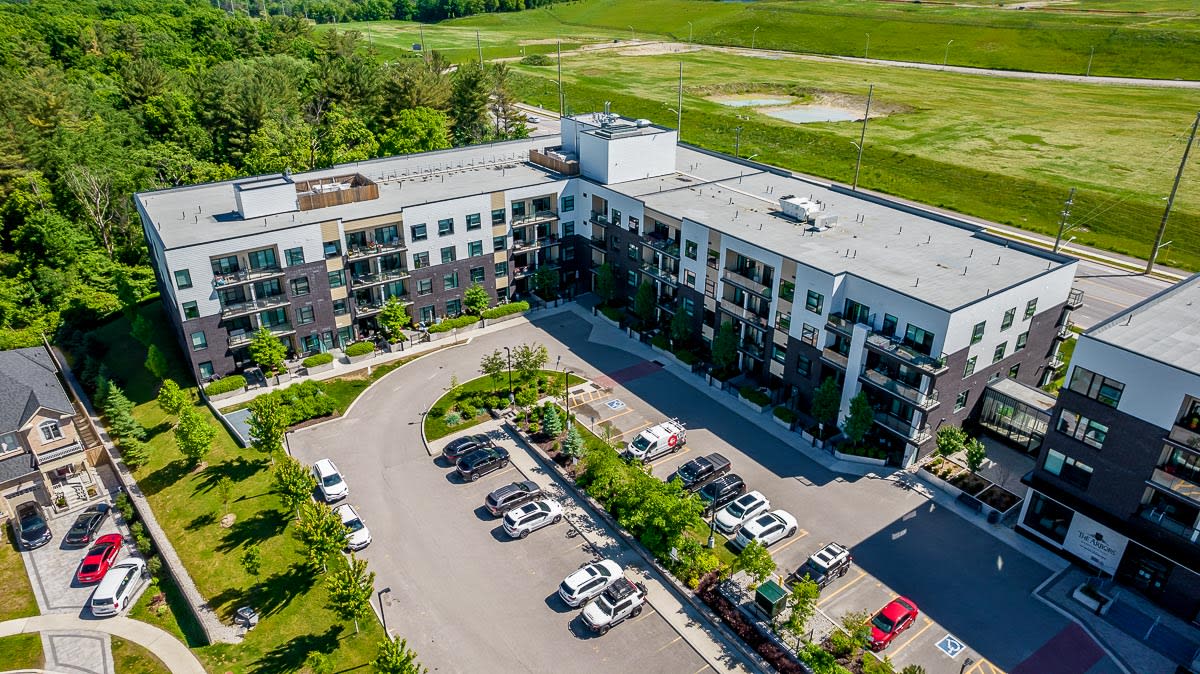
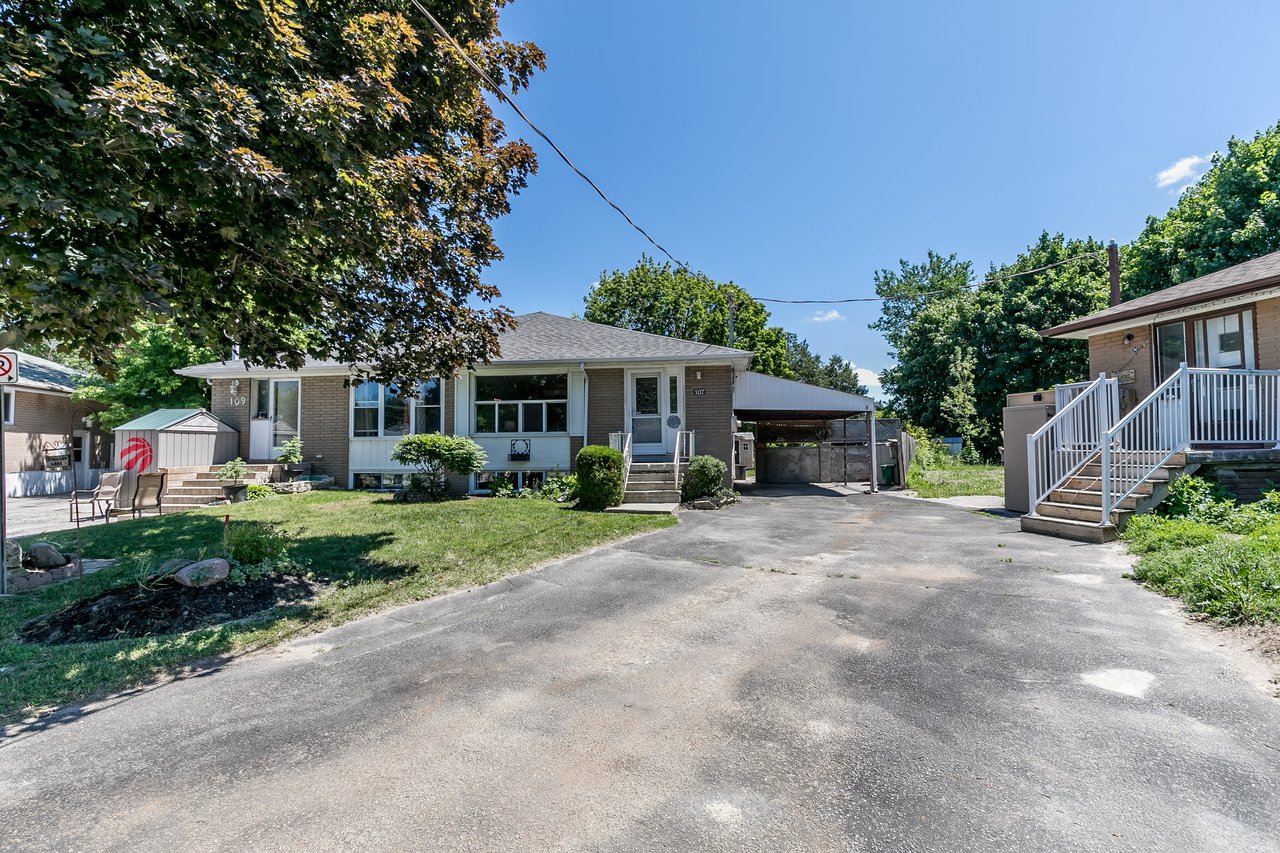
The situation can also vary considerably between communities and property types. A townhouse in Newmarket, a detached home in Aurora and a rural property in East Gwillimbury can face completely different competition at the same time.
Your decision should therefore be based on the homes you would actually compete against, not York Region as a whole.
Why Selling This Fall Could Make Sense
You May Reach More Purposeful Buyers
Spring typically attracts more activity, but not everyone scrolling through listings or attending an open house is ready to purchase.
Buyers searching later in the year may have a more defined reason to move. They could be relocating, adjusting to a family change, trying to move before the holidays or purchasing before a mortgage pre-approval expires.
A smaller audience does not automatically mean a weaker audience. Sometimes reaching the right buyers matters more than reaching the most buyers.
You Could Complete Your Move Before the Holidays
Listing in September or early October may still leave enough time to market the property, negotiate an offer and close before the end of the year, depending on the dates both parties require.
If your current home no longer fits your family, lifestyle or finances, waiting until spring could mean spending another six or seven months in a situation you have already outgrown.
There is value in moving forward too.
Fall Can Make a Home Feel Especially Inviting
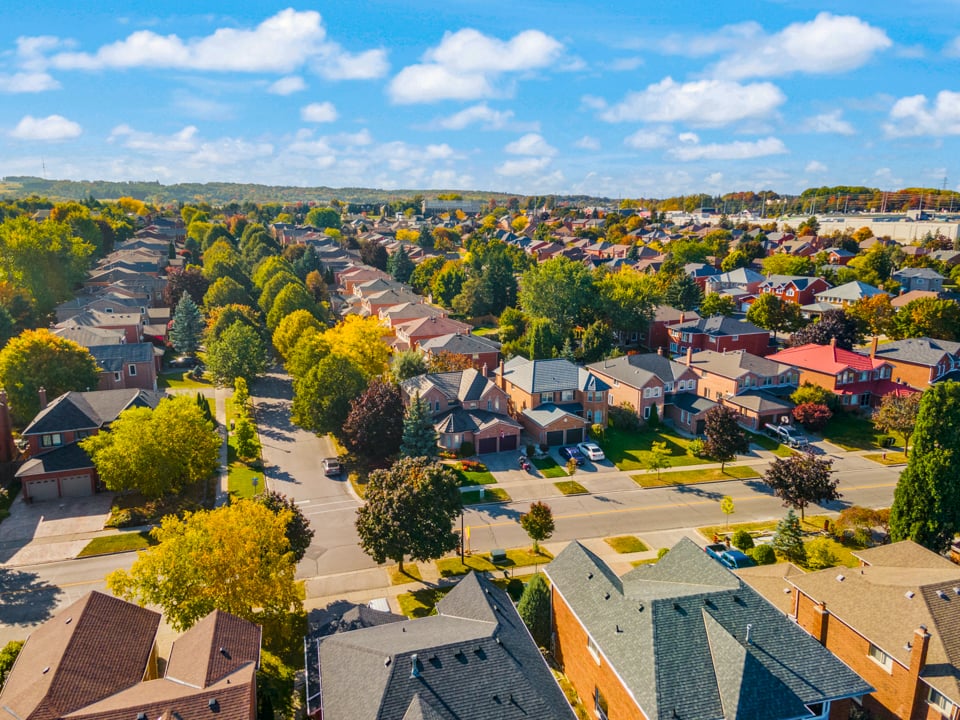
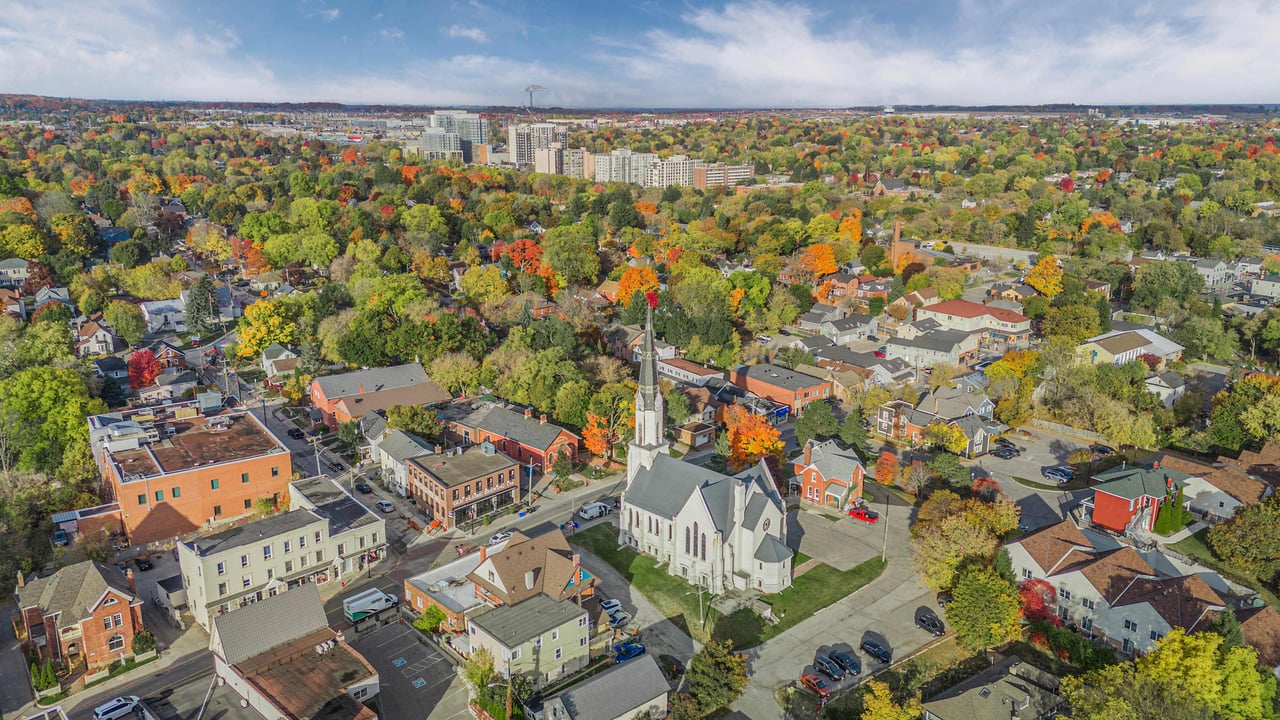
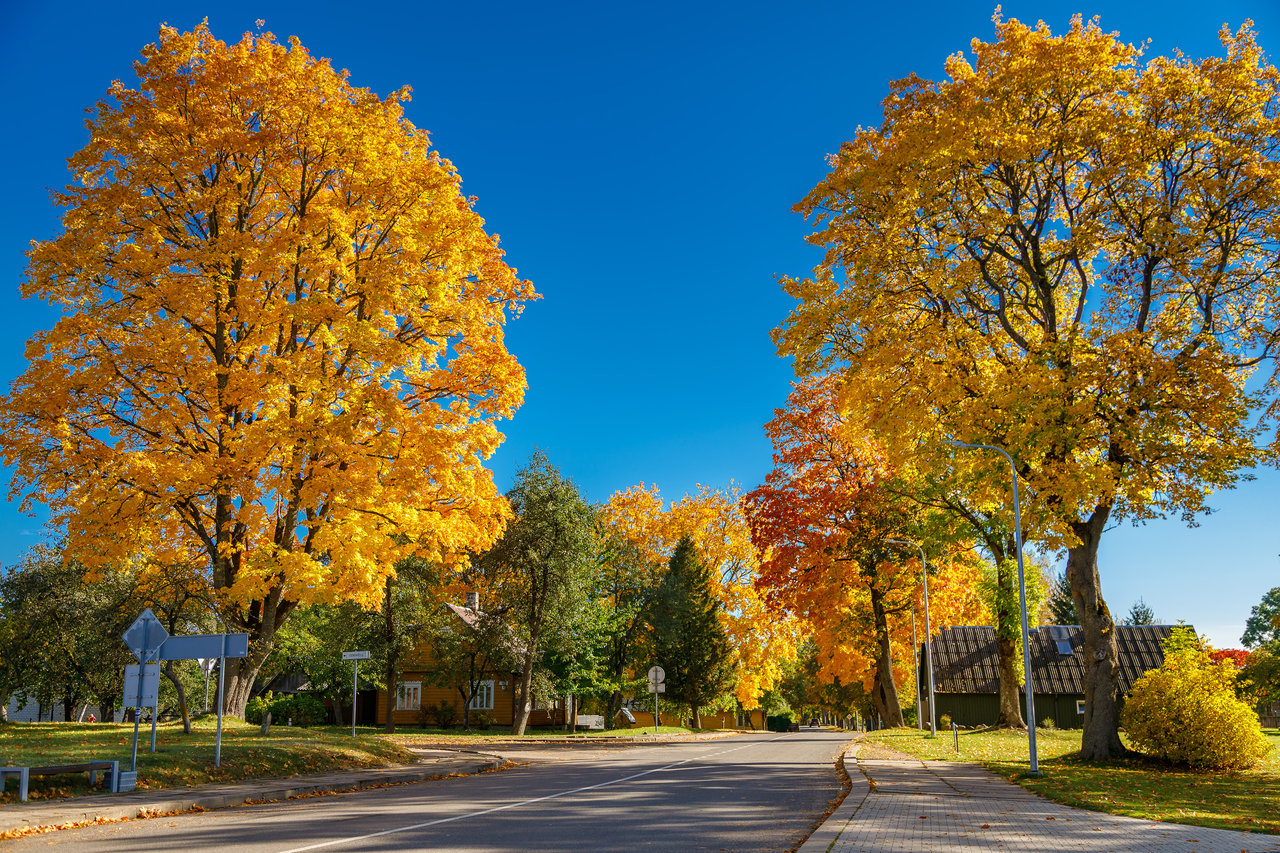
York Region can make a beautiful first impression in the fall.
Colourful trees, warm natural light and comfortable interiors can help buyers feel at home. Fireplaces, finished basements, family rooms and practical entryways may also become more appealing as the weather cools.
A little seasonal styling can add warmth. Just remember that buyers still need to see the home, not a harvest festival.
Why Waiting Until Spring Could Be Smarter
Waiting can absolutely be the right choice. The important thing is to wait with a purpose rather than assuming the calendar will produce a better result.
Your Home Needs More Preparation
If your property requires repairs, painting, decluttering or maintenance, rushing it onto the market can work against you.
Buyers with several options will compare condition, presentation and value. Taking the winter to complete the right improvements could strengthen your position.
That does not necessarily mean renovating. Fresh paint, necessary repairs and professional presentation may deliver more value than an expensive project chosen according to personal taste.
Your Outdoor Space Is a Major Selling Feature
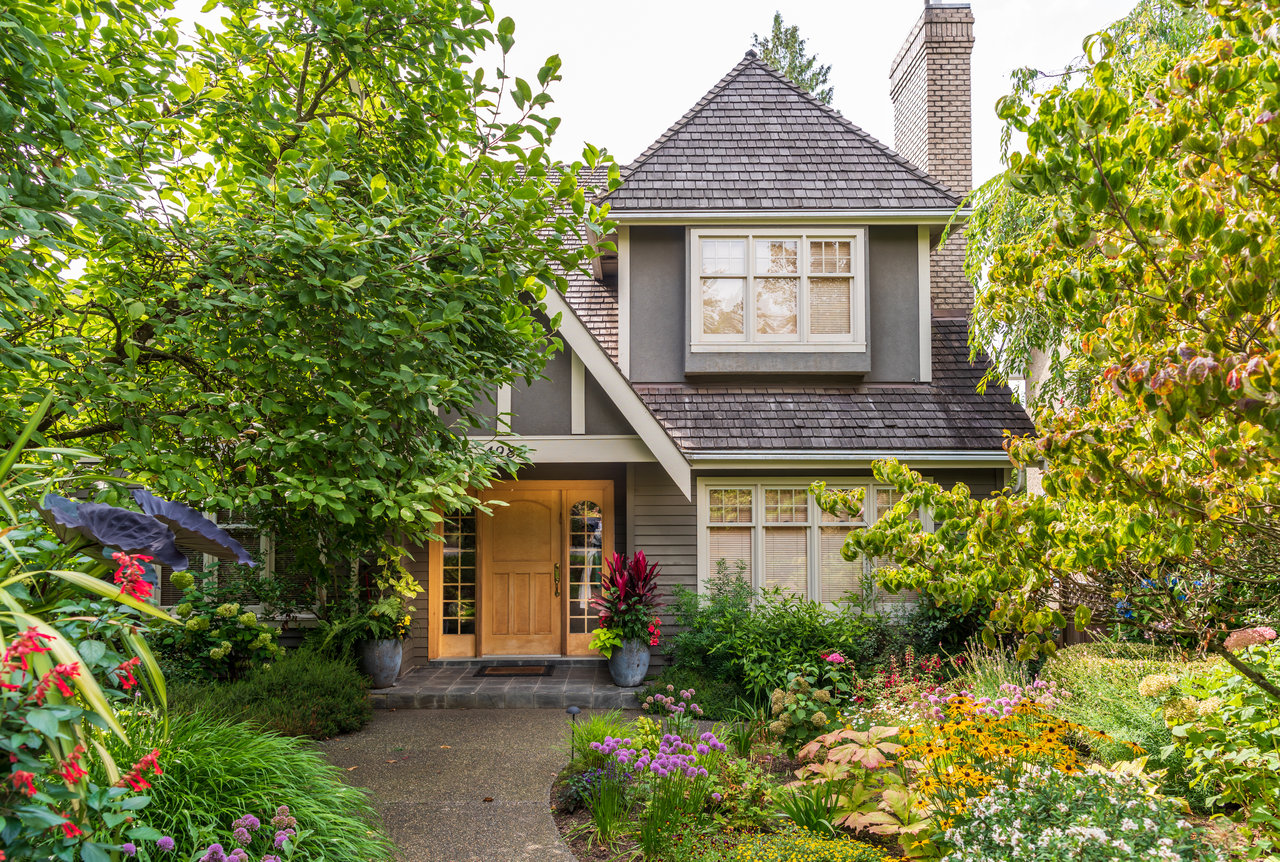
If your pool, gardens, landscaping or outdoor entertaining area is one of the property’s strongest features, spring may give it a better stage.
Summer photography can help preserve that appeal in a fall listing, but some properties genuinely show better when the gardens are growing, the trees are full and the pool is open.
You Do Not Know What Happens After the Sale
Selling your home is only half of the move.
Before listing, you should know where you are likely to go, what suitable replacement properties cost and whether you should buy or sell first.
You should also understand your likely sale proceeds, moving expenses and how much financial overlap you could comfortably carry.
If those answers are unclear, taking more time to build a complete plan may be smarter than listing simply because the fall market has arrived.
The Cost of Waiting Is More Than Time
Homeowners often compare what they could sell for today with what they hope to receive in the spring.
That calculation is incomplete.
Waiting may also mean several more months of:
Mortgage interest
Property taxes
Insurance
Heating and utilities
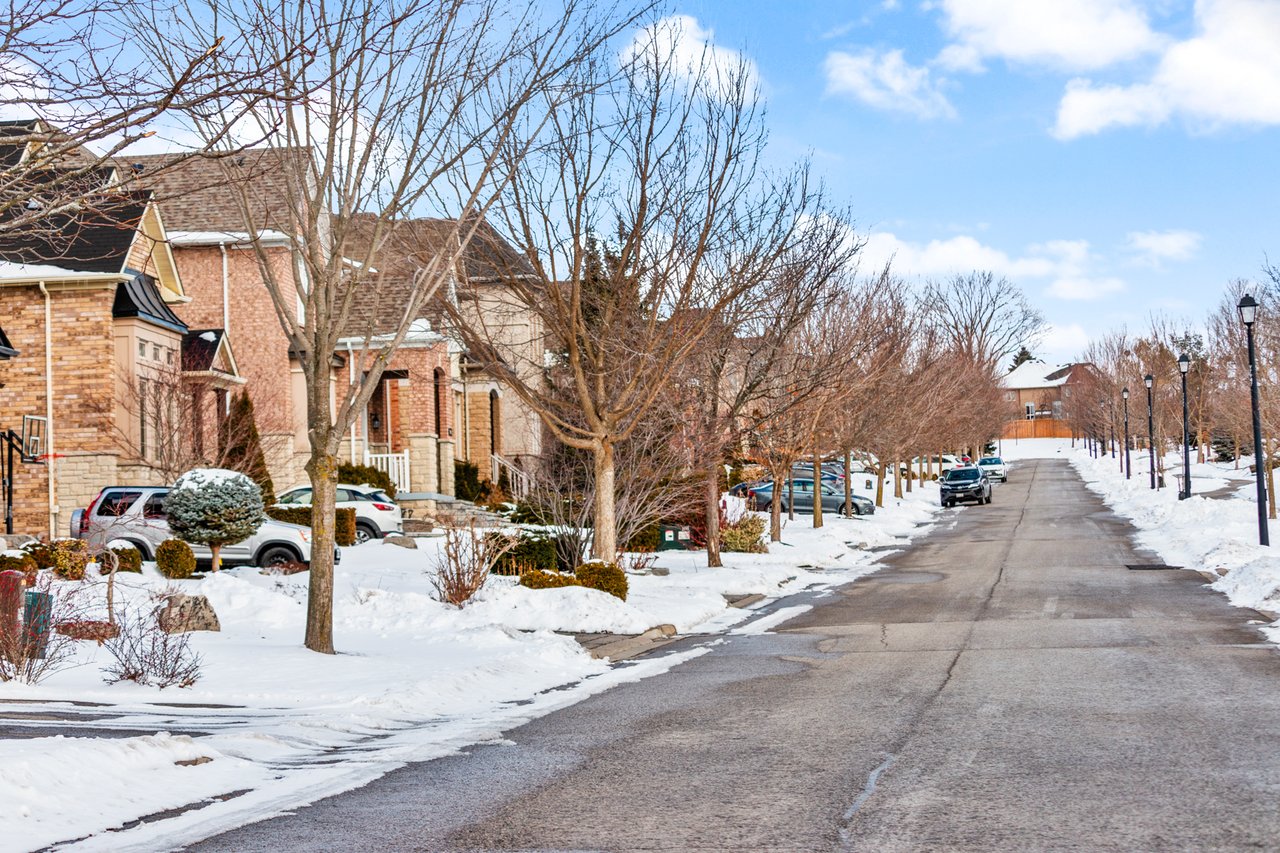
Snow removal
Repairs and winter maintenance
Imagine your home sells for $15,000 more in the spring, but it costs $12,000 to carry it until then. The difference may be much smaller than it first appears and the higher future price is never guaranteed.
The goal should not be to achieve the highest sale price on paper. It should be to create the best overall financial and personal outcome.
Selling and Buying? Look at the Whole Move
This is one of the most overlooked parts of the fall-versus-spring debate.
If you are selling and buying within the same market, waiting for your current home to increase in value may also mean paying more for the next one.
Gaining $30,000 on your sale does not necessarily put you ahead if the type of home you plan to purchase rises by $50,000 during the same period.
The reverse can also be true. You may accept a more negotiated sale price in the current market while securing a stronger deal on your next property.
Your sale should not be evaluated in isolation. The difference between what you are selling and what you are buying can matter more than either headline price.
Be Honest About Your Price Expectations
Buyers can see recent sales, competing homes, price reductions and previous listing history.
Pricing your home based on what a neighbour received several years ago, or the amount you personally need from the sale, does not mean today’s market will support that number.
Starting high does not always create room to negotiate. It can lead to fewer showings, more time on the market and a later price reduction that makes buyers question why the home has not sold.
If you would only sell for a price that current evidence does not support, listing this fall may create more frustration than opportunity.
Waiting may make sense, but spring cannot guarantee that price either.
Five Questions to Help You Decide
Before choosing a season, ask:
Why are we moving?
A job change, growing family, separation, downsizing plan or financial concern may matter more than seasonal timing.What could our home realistically sell for today?
Look at recent sales and current competition, not only asking prices.What would we be competing against?
Three similar homes create a very different opportunity than fifteen.What would waiting cost?
Consider the financial and personal costs of carrying the home until spring.What would we accomplish by waiting?
Waiting is valuable when the time will be used to prepare the home, strengthen your finances or plan your next purchase.
If You Decide to Sell This Fall
Focus on making the property bright, comfortable and well maintained:
Photograph the exterior before the trees lose their leaves
Clear leaves from lawns, walkways and gutters
Clean the windows to maximize natural light
Improve exterior lighting as the days become shorter
Service the furnace and replace the filter
Keep the home comfortably warm during showings
Use seasonal décor sparingly
Fall buyers may pay closer attention to heating, drafts, drainage and exterior maintenance. Addressing those details early can prevent small concerns from becoming larger objections.
The Bottom Line
There is no universally perfect month to sell a home.
A well-prepared and properly priced property can sell successfully in the fall. An overpriced or poorly presented home can sit unsold, even during the busiest week of spring.
The right decision depends on your goals, your home’s condition, your competition and what you plan to do next.
If you are considering a move, The Toombs Team can help you compare both timelines before you commit. We can review your home’s current position, nearby competition, preparation needs and the potential cost of waiting.
You may discover that this fall presents a genuine opportunity. You may also discover that preparing for spring is the smarter move.
Either way, you will have a strategy based on your home and your priorities, not a seasonal guess.
Contact The Toombs Team for an honest, no-pressure review of your options.